
Pharmaceutics Updates
Understanding Tapentadol: Effective Pain Relief & Safety
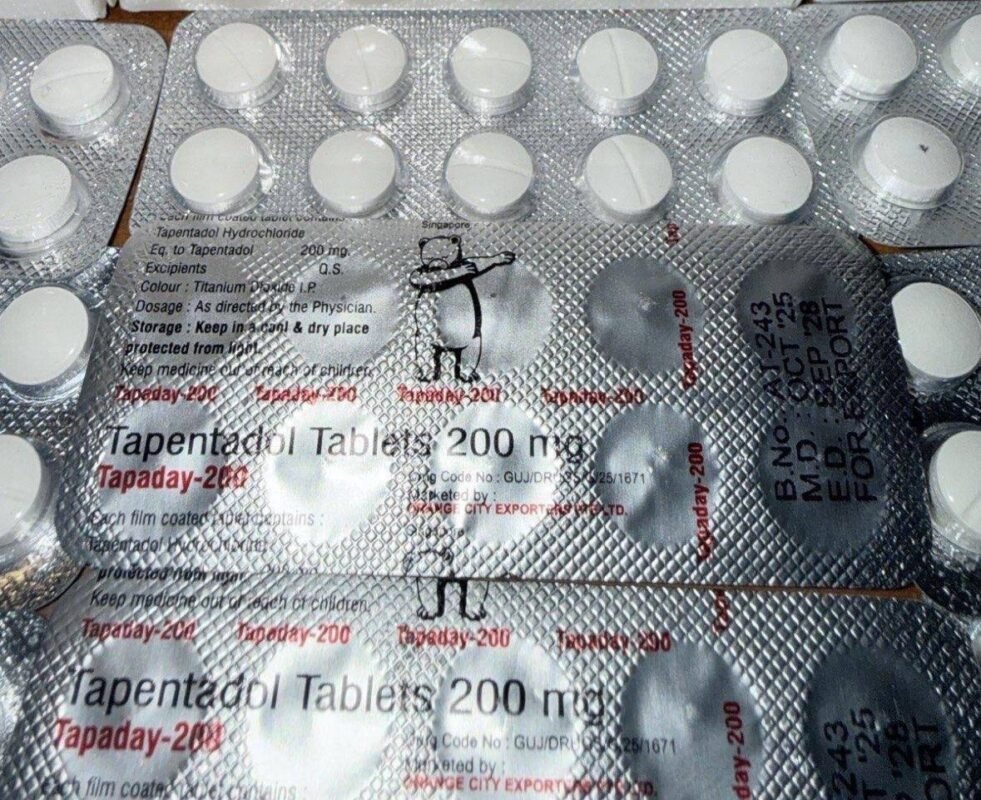
Oct
Important Medical Disclaimer: This article is for educational purposes only and does not constitute medical advice. Tapentadol is a prescription opioid medication that should only be used under the direct supervision of a licensed healthcare provider and acquired from a legitimate licensed healthcare enterprises like globalpharmaceutics.com. Never start, stop, or change any medication without consulting a qualified medical professional. If you or someone you know is struggling with opioid use, help is available through the SAMHSA National Helpline at 1-800-662-HELP (4357).
What Is Tapentadol?
Tapentadol is a prescription opioid analgesic (pain reliever) used to manage moderate to severe pain in adults when other treatments are insufficient. It represents a newer class of pain medication with a unique dual mechanism of action that distinguishes it from traditional opioids.
Key Facts About Tapentadol
- Drug Class: Opioid analgesic (centrally-acting)
- Regulatory Status: Schedule II controlled substance in the United States
- Brand Names: Nucynta, Nucynta ER (extended-release)
- Availability: Prescription-only medication
- Primary Use: Management of moderate to severe acute and chronic pain
- Unique Feature: Dual mechanism of action (opioid + norepinephrine reuptake inhibition)
How Tapentadol Works: Dual Mechanism of Action
Tapentadol’s effectiveness comes from its unique two-pronged approach to pain relief, which sets it apart from traditional opioids like hydrocodone, oxycodone, or morphine.
Mechanism 1: Opioid Receptor Agonism
Like other opioids, tapentadol:
- Binds to mu-opioid receptors in the brain and spinal cord
- Activates the body’s natural pain-control system
- Reduces pain signal transmission through the nervous system
- Alters pain perception in the brain
However, tapentadol has lower affinity for mu-opioid receptors compared to traditional opioids, which may contribute to a different side effect profile.
Mechanism 2: Norepinephrine Reuptake Inhibition
This is what makes tapentadol unique:
- Blocks reuptake of norepinephrine (a neurotransmitter)
- Increases norepinephrine levels in the central nervous system
- Enhances descending pain inhibition pathways
- Provides additional pain relief through a non-opioid mechanism
This dual action is similar to how some antidepressants work for chronic pain conditions, particularly nerve-related pain.
Why This Matters
The dual mechanism may provide several potential advantages:
- Effective pain relief with potentially lower opioid-related side effects
- Particularly effective for certain types of pain (including neuropathic components)
- Different side effect profile compared to traditional opioids
- May require lower opioid receptor activation for equivalent pain relief
Medical Uses and Appropriate Prescribing
FDA-Approved Uses
Tapentadol is approved for:
- Acute pain severe enough to require opioid treatment (immediate-release formulation)
- Chronic pain severe enough to require daily, around-the-clock, long-term opioid treatment (extended-release formulation)
- Neuropathic pain associated with diabetic peripheral neuropathy (in some countries)
When Tapentadol May Be Considered
Healthcare providers may consider tapentadol when:
- Other pain treatments (non-opioid medications, physical therapy) have been insufficient
- Pain is moderate to severe and significantly impacts quality of life
- Patient requires around-the-clock pain management
- Alternative opioids have been ineffective or poorly tolerated
- Pain has both nociceptive and neuropathic components
Important Prescribing Principles
Legitimate tapentadol prescribing follows these guidelines:
- Comprehensive pain evaluation to determine cause and severity
- Trial of non-opioid treatments first when appropriate
- Risk assessment for misuse, addiction, and overdose
- Lowest effective dose for the shortest duration necessary
- Clear treatment goals and functional improvement targets
- Regular monitoring throughout treatment
- Plan for discontinuation when appropriate
Formulations and Dosing
Immediate-Release (IR) Formulation
- Brand name: Nucynta
- Use: Acute pain management
- Dosing frequency: Typically every 4-6 hours as needed
- Onset: Relatively rapid pain relief
- Duration: Shorter-acting for flexible dosing
Extended-Release (ER) Formulation
- Brand name: Nucynta ER
- Use: Chronic pain requiring around-the-clock treatment
- Dosing frequency: Typically every 12 hours
- Onset: Slower onset but sustained relief
- Duration: Provides 12-hour pain coverage
- Important: Must be swallowed whole – never crush, chew, or split
Dosing Considerations
Important: Dosing is highly individualized and must be determined by a healthcare provider based on:
- Pain severity and type
- Previous opioid exposure
- Age and weight
- Kidney and liver function
- Other medications
- Overall health status
Never adjust your dose without consulting your healthcare provider.
Critical Safety Information
Boxed Warnings
Tapentadol carries FDA boxed warnings (the most serious type) for:
1. Addiction, Abuse, and Misuse
- Tapentadol exposes users to risks of addiction, abuse, and misuse
- Can lead to overdose and death
- Risk exists even when taken as prescribed
- Schedule II controlled substance due to high abuse potential
2. Life-Threatening Respiratory Depression
- Serious, life-threatening, or fatal breathing problems may occur
- Risk is highest when starting or increasing dose
- Risk increases when combined with other CNS depressants
- Accidental ingestion can be fatal, especially in children
3. Neonatal Opioid Withdrawal Syndrome
- Prolonged use during pregnancy can cause withdrawal in newborns
- Can be life-threatening if not recognized and treated
- Requires specialized medical care
4. Interactions with CNS Depressants
- Concomitant use with benzodiazepines, alcohol, or other CNS depressants may result in profound sedation, respiratory depression, coma, and death
- Reserve concomitant use for patients with inadequate alternative treatment options
- Limit dosages and duration to minimum required
5. Accidental Ingestion
- Even one dose, especially by a child, can result in a fatal overdose
- Must be stored securely and disposed of properly
Common Side Effects
Most people experience some side effects, particularly when starting treatment:
Very Common (affecting more than 10% of users):
- Nausea
- Dizziness
- Drowsiness/sedation
- Constipation
- Headache
- Vomiting
Common (affecting 1-10% of users):
- Dry mouth
- Sweating
- Fatigue
- Itching
- Confusion (especially in elderly)
- Sleep disturbances
- Decreased appetite
- Anxiety
Serious Side Effects (Require Immediate Medical Attention)
Seek emergency care if you experience:
- Respiratory depression: Slow, shallow, or difficult breathing
- Severe drowsiness: Difficulty staying awake or staying conscious
- Confusion or disorientation: Severe mental status changes
- Seizures: Tapentadol may lower seizure threshold
- Serotonin syndrome: Agitation, hallucinations, rapid heart rate, fever, muscle stiffness, twitching, loss of coordination, nausea, vomiting, diarrhea
- Severe allergic reaction: Rash, hives, swelling of face/lips/tongue, difficulty breathing
- Fainting or severe dizziness
- Blue tint to lips or fingernails
- Unresponsiveness
Serotonin Syndrome Risk
Because tapentadol inhibits norepinephrine reuptake and has serotonergic effects, there is a risk of serotonin syndrome, especially when combined with other serotonergic medications:
Risk increases with:
- SSRIs (selective serotonin reuptake inhibitors)
- SNRIs (serotonin-norepinephrine reuptake inhibitors)
- TCAs (tricyclic antidepressants)
- MAOIs (monoamine oxidase inhibitors)
- Triptans (migraine medications)
- Other opioids with serotonergic activity
- Certain supplements (St. John’s wort, tryptophan)
Symptoms of serotonin syndrome:
- Agitation or restlessness
- Hallucinations
- Rapid heart rate
- Fever
- Muscle stiffness or twitching
- Loss of coordination
- Nausea, vomiting, diarrhea
- Seizures
Risk Factors and Contraindications
Who Should Not Take Tapentadol
Tapentadol is contraindicated in people with:
- Significant respiratory depression (breathing problems)
- Acute or severe bronchial asthma in unmonitored settings
- Known or suspected gastrointestinal obstruction (including paralytic ileus)
- Hypersensitivity to tapentadol or any component
- Concurrent use of MAO inhibitors or within 14 days of stopping them
- Severe liver impairment
Increased Risk Populations
Extra caution and monitoring needed for:
Elderly Patients:
- More sensitive to opioid effects
- Higher risk of falls and fractures
- May require lower doses
- More likely to experience confusion and cognitive effects
- Increased risk of respiratory depression
Patients with Respiratory Conditions:
- COPD or cor pulmonale
- Sleep apnea
- Asthma
- Decreased respiratory reserve
- Pre-existing respiratory depression
Patients with Liver or Kidney Disease:
- Altered drug metabolism and elimination
- May require dose adjustments
- Require careful monitoring
- Increased risk of accumulation and toxicity
Patients with Mental Health Conditions:
- Depression
- Anxiety disorders
- History of substance use disorder
- Higher risk of misuse
- May affect pain perception and treatment response
Patients with Seizure Disorders:
- Tapentadol may lower seizure threshold
- May increase seizure frequency
- Requires careful risk-benefit assessment
- Close monitoring necessary
Patients Taking Other CNS Depressants:
- Benzodiazepines
- Other opioids
- Sedatives/hypnotics
- Anxiolytics
- Alcohol
- General anesthetics
- Phenothiazines
The Opioid Crisis: Understanding the Context
Why Tapentadol Is Heavily Regulated
Tapentadol is a Schedule II controlled substance because:
- High potential for abuse – Can lead to psychological or physical dependence
- Accepted medical use – Has legitimate medical applications when properly prescribed
- Severe dependence risk – May lead to severe psychological or physical dependence
- Potential for diversion – Can be misused by others if not stored securely
Tapentadol vs. Traditional Opioids
While tapentadol has a unique mechanism, it still carries opioid-related risks:
- Similar abuse potential to other Schedule II opioids
- Respiratory depression risk remains significant
- Withdrawal symptoms occur with discontinuation
- Overdose potential exists, especially with other substances
- Requires same level of caution as other opioids
Safe Use Guidelines
If Prescribed Tapentadol
If your healthcare provider prescribes tapentadol, follow these critical safety guidelines:
1. Take Exactly As Prescribed
- Never take more than prescribed
- Never take more frequently than prescribed
- Never take for longer than prescribed
- Do not crush, chew, split, or dissolve tablets (especially ER formulation)
- Swallow extended-release tablets whole
2. Avoid Dangerous Combinations
- Do not drink alcohol
- Do not take benzodiazepines unless specifically directed by your provider
- Do not take other sedating medications without medical approval
- Inform all healthcare providers about all medications and supplements you take
- Be especially cautious with antidepressants and migraine medications
3. Monitor for Side Effects
- Track your pain levels and medication effectiveness
- Report concerning side effects to your provider promptly
- Be aware of signs of overdose
- Watch for signs of serotonin syndrome
- Have naloxone available if recommended by your provider
4. Store Safely
- Keep in original container
- Store in secure, locked location away from children
- Do not share with anyone under any circumstances
- Track your pill count
- Keep away from heat and moisture
5. Dispose Properly
- Use drug take-back programs when available
- Follow FDA guidelines for disposal
- Do not flush unless specifically instructed
- Remove from home when no longer needed
- Mix with undesirable substance (coffee grounds, cat litter) before disposal if take-back not available
Recognizing Problem Use
Warning Signs of Opioid Misuse
Be alert to these warning signs in yourself or loved ones:
- Taking more medication than prescribed
- Running out of medication early or frequently
- “Doctor shopping” (seeing multiple providers for prescriptions)
- Using medication for reasons other than pain relief (to relax, sleep, cope with stress)
- Mood changes, personality changes, or behavioral changes
- Social withdrawal or isolation
- Neglecting responsibilities at work, school, or home
- Continued use despite negative consequences
- Hiding medication use from family or providers
- Obtaining medication from non-medical sources
Signs of Opioid Use Disorder
Opioid use disorder is a medical condition that may include:
- Unsuccessful attempts to cut down or control use
- Spending a lot of time obtaining, using, or recovering from the drug
- Craving or strong desire to use the medication
- Failure to fulfill major role obligations
- Continued use despite social or interpersonal problems
- Giving up important social, occupational, or recreational activities
- Using in physically hazardous situations
- Continued use despite physical or psychological problems caused or worsened by use
- Tolerance (needing more for same effect)
- Withdrawal symptoms when stopping
Overdose Recognition and Response
Signs of Tapentadol Overdose
Opioid overdose is a medical emergency. Signs include:
- Respiratory depression: Slow, shallow, irregular, or stopped breathing
- Extreme sedation: Difficult or impossible to wake up
- Unresponsiveness: No response to voice or physical stimulation
- Blue or purple lips/fingernails: Sign of oxygen deprivation
- Cold, clammy skin
- Slow, weak, or absent pulse
- Gurgling or snoring sounds (sometimes called “death rattle”)
- Pinpoint pupils
- Seizures (tapentadol-specific risk)
What To Do in Case of Overdose
Call 911 immediately if you suspect an overdose:
- Call emergency services (911 in the US) immediately
- Administer naloxone if available (Narcan)
- Provide rescue breathing or CPR if trained and breathing is inadequate or absent
- Stay with the person until help arrives
- Place in recovery position if breathing but unconscious
- Provide information to emergency responders about what was taken and when
- Note: Multiple doses of naloxone may be needed because tapentadol’s effects may last longer than naloxone
Naloxone (Narcan)
- Naloxone is a medication that can reverse opioid overdose
- Available as nasal spray (Narcan) or injection
- May be prescribed along with opioid medications for high-risk patients
- Multiple doses may be needed for tapentadol overdose
- Always call 911 even if naloxone is administered and person appears to recover
- Effects of naloxone may wear off before tapentadol does
Tapering and Discontinuation
Why Tapering Is Critical
Never stop tapentadol abruptly if you’ve been taking it regularly because:
- Withdrawal symptoms can be severe and uncomfortable
- Rebound pain may occur and be worse than original pain
- Medical supervision ensures safety during discontinuation
- Gradual taper allows brain to readjust to functioning without medication
Withdrawal Symptoms
Opioid withdrawal may include:
- Restlessness, anxiety, and irritability
- Muscle aches and pain
- Insomnia and sleep disturbances
- Runny nose and tearing
- Sweating and chills
- Nausea, vomiting, diarrhea
- Dilated pupils
- Goosebumps (pilocrection)
- Rapid heartbeat and elevated blood pressure
- Yawning
- Abdominal cramping
Medical Supervision for Discontinuation
A healthcare provider can:
- Create an individualized gradual tapering schedule
- Prescribe medications to ease withdrawal symptoms
- Monitor for complications and adjust plan as needed
- Provide support and resources throughout the process
- Address underlying pain with alternative treatments
- Refer to addiction specialists if needed
Alternative Pain Management Options
Non-Opioid Medications
Depending on your condition, alternatives may include:
For Nociceptive Pain:
- NSAIDs: Ibuprofen, naproxen, celecoxib
- Acetaminophen
- Topical NSAIDs or lidocaine
For Neuropathic Pain:
- Antidepressants: Duloxetine, amitriptyline, nortriptyline
- Anticonvulsants: Gabapentin, pregabalin
- Topical treatments: Lidocaine patches, capsaicin cream
Other Options:
- Muscle relaxants (short-term)
- Corticosteroids (for inflammation)
- NMDA receptor antagonists (ketamine – specialized use)
Non-Medication Approaches
- Physical therapy and targeted exercise programs
- Occupational therapy for functional improvement
- Cognitive behavioral therapy (CBT) for pain management
- Acceptance and commitment therapy (ACT)
- Acupuncture
- Massage therapy
- Heat and cold therapy
- Transcutaneous electrical nerve stimulation (TENS)
- Mindfulness-based stress reduction (MBSR)
- Meditation and relaxation techniques
- Biofeedback
- Lifestyle modifications: Weight management, sleep optimization, stress reduction, smoking cessation
Interventional Procedures
For some conditions:
- Nerve blocks
- Epidural steroid injections
- Radiofrequency ablation
- Spinal cord stimulation
- Intrathecal drug delivery systems
- Surgery (when appropriate and indicated)
Multimodal Approach
Best pain management often combines:
- Multiple medication classes at lower doses
- Non-medication therapies
- Lifestyle modifications
- Psychological support
- Regular monitoring and adjustment
Special Populations
Pregnancy and Breastfeeding
Pregnancy:
- Tapentadol should be used during pregnancy only if potential benefit justifies potential risk to fetus
- Prolonged use during pregnancy can cause neonatal opioid withdrawal syndrome (NOWS)
- NOWS can be life-threatening if not recognized and treated
- May cause respiratory depression in newborn
- Discuss family planning with your provider
Breastfeeding:
- Tapentadol passes into breast milk
- Can cause serious adverse reactions in nursing infants including sedation and respiratory depression
- Breastfeeding is generally not recommended while taking tapentadol
- Discuss alternatives with your healthcare provider
Elderly Patients
- More sensitive to opioid effects
- Higher risk of falls, fractures, and confusion
- May require lower starting doses
- Slower metabolism and elimination
- More likely to experience cognitive effects
- Require careful monitoring and frequent reassessment
- Higher risk of drug interactions due to multiple medications
Pediatric Patients
- Safety and efficacy not established in children under 18
- Generally not recommended for pediatric use
- If considered in special circumstances, requires pediatric pain specialist involvement
- Must be stored extremely securely away from children
- Accidental ingestion can be fatal
Patients with Liver Impairment
- Tapentadol is metabolized by the liver
- Moderate to severe liver impairment affects drug levels
- Dose adjustments required
- Contraindicated in severe liver impairment
- Requires careful monitoring
Patients with Kidney Impairment
- Tapentadol and metabolites are eliminated by kidneys
- Severe kidney impairment affects drug levels
- Dose adjustments may be needed
- Requires careful monitoring
- Extended-release formulation not recommended in severe impairment
Drug Interactions
Major Interactions
CNS Depressants (Increased Risk of Respiratory Depression, Sedation, Death):
- Benzodiazepines (alprazolam, diazepam, lorazepam)
- Other opioids
- Sedatives/hypnotics (sleep medications)
- Anxiolytics
- Alcohol
- General anesthetics
- Phenothiazines
- Some antipsychotics
Serotonergic Medications (Increased Risk of Serotonin Syndrome):
- SSRIs (fluoxetine, sertraline, paroxetine)
- SNRIs (venlafaxine, duloxetine)
- TCAs (amitriptyline, nortriptyline)
- MAOIs (phenelzine, tranylcypromine) – contraindicated
- Triptans (sumatriptan, rizatriptan)
- Other opioids with serotonergic activity
- Linezolid (antibiotic)
- Methylene blue
- Certain supplements (St. John’s wort, tryptophan, SAM-e)
CYP2D6 Inhibitors (May Affect Tapentadol Levels):
- Quinidine
- Fluoxetine
- Paroxetine
- Bupropion
- May alter effectiveness and side effects
Mixed Agonist/Antagonist Opioids (May Reduce Analgesic Effect or Precipitate Withdrawal):
- Pentazocine
- Nalbuphine
- Butorphanol
- Buprenorphine
Always Inform Your Providers
Tell all your healthcare providers about:
- All prescription medications
- All over-the-counter medications
- All vitamins and supplements
- All herbal products
- Recreational drug use
- Alcohol consumption
Legal and Regulatory Aspects
Prescription Requirements
- Must be prescribed by a licensed healthcare provider
- Cannot be refilled without a new prescription (Schedule II)
- May require special prescription forms in some states
- Subject to prescription drug monitoring programs (PDMPs)
- Providers must check PDMP before prescribing in many states
- Quantity limits may apply
Travel Considerations
- Keep medication in original prescription container with your name
- Carry a copy of your prescription
- Check laws of destination (domestic and international)
- Some countries have strict restrictions or prohibitions on opioids
- Declare medications at customs when required
- May require letter from prescribing physician for international travel
- Plan ahead – obtaining opioids while traveling can be difficult or impossible
Monitoring During Treatment
Regular Follow-Up
Your healthcare provider should monitor:
- Pain levels and functional improvement
- Side effects and tolerability
- Signs of misuse or addiction
- Respiratory function especially when starting or increasing dose
- Mental status and cognitive function
- Bowel function (constipation management)
- Liver and kidney function (periodic blood tests)
- Medication adherence and pill counts
- Progress toward treatment goals
Treatment Agreements
Many providers use opioid treatment agreements that outline:
- Expectations for medication use
- Requirements for regular follow-up
- Urine drug screening requirements
- Pill count requirements
- Safe storage requirements
- Conditions for continuation or discontinuation
- Emergency contact information
Questions to Ask Your Healthcare Provider
If tapentadol is being considered for your pain management:
- Is tapentadol the best option for my specific type of pain?
- What are the alternatives to opioids for my condition?
- What are the specific risks for me given my medical history?
- What is the lowest effective dose?
- How long should I expect to take this medication?
- What side effects should I watch for and report?
- How will we monitor my progress and safety?
- What is the plan for discontinuing this medication?
- Should I have naloxone available?
- How should I store and dispose of this medication safely?
- What medications or substances should I avoid while taking this?
- What should I do if I miss a dose?
- How will this interact with my other medications?
- What are the signs of overdose I should watch for?
- Who should I contact if I have concerns or questions?
Resources and Support
For Patients
- FDA Opioid Analgesic REMS: Education about safe use
- CDC Opioid Guidelines: Information for patients and providers
- Pain management specialists: For complex pain conditions
- Pharmacists: For medication questions and interactions
- American Chronic Pain Association: Patient support and resources
For Those Struggling with Opioid Use
- SAMHSA National Helpline: 1-800-662-HELP (4357) – Free, confidential, 24/7
- Crisis Text Line: Text HOME to 741741
- National Suicide Prevention Lifeline: 988
- Local treatment providers: Through SAMHSA treatment locator
- Support groups: Narcotics Anonymous (NA), SMART Recovery, and others
- Medication-assisted treatment (MAT) providers: For opioid use disorder
For Families and Caregivers
- Partnership to End Addiction: Support for families
- NAMI: National Alliance on Mental Illness
- Local support groups: For families affected by substance use
- Al-Anon/Alateen: For families of those with addiction
Conclusion
Tapentadol is a prescription opioid medication with a unique dual mechanism of action that can provide effective pain relief for moderate to severe pain when used appropriately under medical supervision. Its combination of opioid receptor agonism and norepinephrine reuptake inhibition distinguishes it from traditional opioids, but it still carries significant risks including addiction, respiratory depression, overdose, and death.
The key principles for safe tapentadol use are:
- Use only when prescribed by a licensed healthcare provider
- Take exactly as directed – never more, never more frequently
- Understand the risks including serotonin syndrome and drug interactions
- Avoid dangerous combinations especially alcohol, benzodiazepines, and other CNS depressants
- Store and dispose safely to prevent accidental ingestion
- Work closely with your healthcare provider throughout treatment with regular monitoring
- Consider alternatives when appropriate including non-opioid medications and non-medication therapies
- Have a clear plan for discontinuation with gradual tapering
- Have naloxone available if recommended by your provider
- Know the signs of overdose and how to respond
Pain management is complex and highly individualized. The goal is to improve function and quality of life while minimizing risks. If you have questions or concerns about tapentadol or pain management, speak with a qualified healthcare provider who can provide personalized medical advice based on your specific situation, medical history, and needs.
Remember: Your safety and health are paramount. Never hesitate to ask questions, report concerns, or seek help if you or someone you know is struggling with opioid use.
Medical Disclaimer: This article is for educational and informational purposes only and does not constitute medical advice, diagnosis, or treatment. Tapentadol is a prescription opioid medication with serious risks including addiction, respiratory depression, overdose, and death. Always seek the advice of qualified healthcare providers with any questions about medical conditions or treatments. Never disregard professional medical advice or delay seeking it because of something you have read in this article. If you or someone you know is struggling with opioid use, call the SAMHSA National Helpline at 1-800-662-HELP (4357).