
Pharmaceutics Updates
OxyContin Guide: Uses, Side Effects, and Safety
Dec
Medical disclaimer: This article is for educational purposes only and does not replace advice from a doctor or pharmacist. Oxycontin is a prescription opioid medicine. Do not start, stop, or change it without guidance from a qualified healthcare professional.
What Is OxyContin?
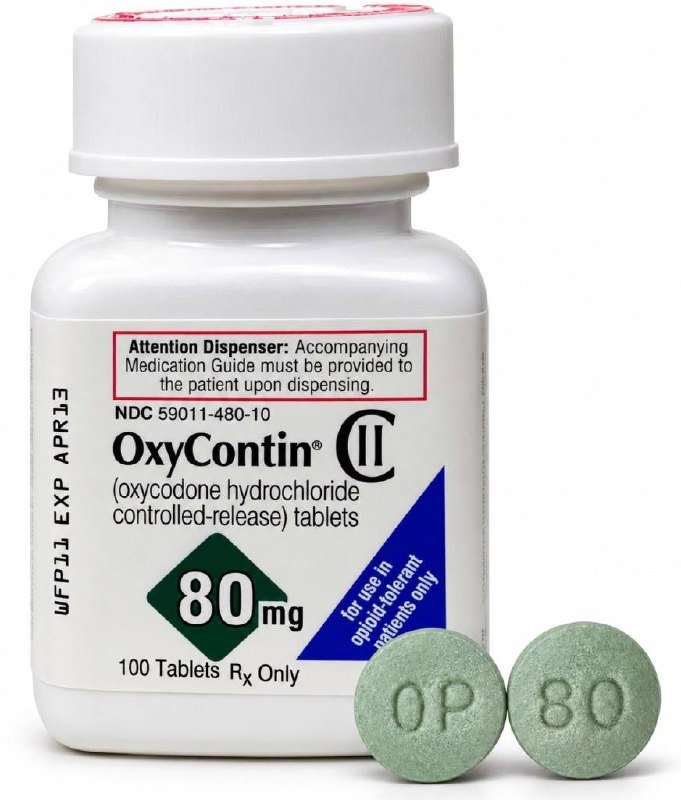
OxyContin is a brand name for oxycodone in an extended-release formulation. It belongs to the opioid class of medicines and is used for severe, ongoing pain that requires daily, long-term treatment when other options are inadequate.
Oxycodone is a strong pain reliever. The extended-release tablets are designed to release the medicine slowly over about 12 hours. This allows less frequent dosing compared with immediate-release oxycodone, but it also means that taking more than prescribed, crushing, chewing, or dissolving the tablets can release a large amount of oxycodone at once and cause a dangerous or fatal overdose.
What Is OxyContin Used For?
OxyContin is intended for:
- Severe, continuous pain that requires around-the-clock opioid treatment.
- Long-term pain management when other treatments have not provided adequate relief.
- Cancer-related pain in some clinical situations.
- Palliative or end-of-life care focused on comfort.
It is not intended for:
- Mild pain.
- Short-term pain that can be managed with non-opioid medicines.
- “As-needed” or intermittent use.
- Pain that can be treated with physical therapy, non-opioid medicines, or other approaches.
Because of the risk of dependence, overdose, and death, OxyContin is reserved for carefully selected patients under close medical supervision.
How OxyContin Works
OxyContin contains oxycodone, which acts mainly on mu-opioid receptors in the brain and spinal cord. When these receptors are activated, pain signals are reduced and the emotional response to pain may change.
Opioids can also cause:
- Drowsiness and sedation.
- Slowed breathing.
- Constipation.
- Nausea.
- Cough suppression.
- Feelings of euphoria in some people.
The extended-release formulation provides a steady level of oxycodone over time. This can improve comfort for some patients, but it also means that mistakes in dosing or tampering with the tablet can be extremely dangerous.
Important Safety Warnings
OxyContin carries serious safety warnings. Key risks include:
Addiction, Abuse, and Misuse
OxyContin has a high potential for addiction and misuse. Risk exists even when taken as prescribed. Misuse can lead to overdose and death.
Life-Threatening Respiratory Depression
Opioids can slow or stop breathing. This risk is highest when starting treatment, after dose increases, or when combined with alcohol, benzodiazepines, other opioids, or sedating medicines.
Accidental Ingestion
Even one dose, especially by a child, can be fatal. Tablets must be stored securely and disposed of properly.
Neonatal Opioid Withdrawal Syndrome
Prolonged use during pregnancy can cause withdrawal in the newborn, which can be life-threatening if not recognized and treated.
Interactions with CNS Depressants
Combining OxyContin with alcohol, benzodiazepines, other opioids, or sedatives can cause profound sedation, coma, and death.
Common Side Effects
Common side effects include:
- Constipation.
- Nausea and vomiting.
- Drowsiness or sedation.
- Dizziness.
- Dry mouth.
- Itching.
- Sweating.
- Headache.
- Confusion, especially in older adults.
Constipation is very common. A bowel regimen (such as a stool softener and stimulant laxative), fluids, fiber, and activity may be recommended. Do not wait for severe constipation before acting.
Serious Side Effects
Seek urgent medical help for:
- Slow, shallow, or difficult breathing.
- Extreme sleepiness or inability to stay awake.
- Blue or gray lips or fingertips.
- Severe dizziness or fainting.
- Confusion or disorientation.
- Seizures.
- Severe allergic reaction (swelling of face, lips, tongue, throat; difficulty breathing).
- Severe stomach pain or inability to pass stool or gas.
- Hallucinations or severe agitation.
- Thoughts of self-harm or suicide.
Who Should Not Take OxyContin?
OxyContin may not be appropriate for people with:
- Significant breathing problems or severe asthma in unmonitored settings.
- Known or suspected bowel obstruction or paralytic ileus.
- Severe allergy to oxycodone or tablet components.
- Certain acute medical situations where opioids are unsafe.
Extra caution is needed for:
- Older adults.
- People with lung disease, sleep apnea, or obesity.
- People with kidney or liver impairment.
- People taking other sedating medicines.
- People with a history of substance use disorder.
- People who are pregnant or breastfeeding.
Safe Use Guidelines
If prescribed OxyContin:
- Take it exactly as directed.
- Swallow tablets whole. Do not crush, chew, split, or dissolve them.
- Do not take more often or at higher doses than prescribed.
- Do not combine with alcohol, benzodiazepines, sleeping pills, or other sedatives unless specifically directed by a clinician.
- Do not drive or operate machinery until you know how it affects you.
- Store it in a locked place, away from children and others.
- Keep track of your tablets.
- Dispose of unused tablets through take-back programs or as instructed by a pharmacist.
- Keep all follow-up appointments.
- Report side effects, mood changes, or concerns promptly.
Overdose Recognition and Response
Signs of opioid overdose include:
- Very slow, shallow, or stopped breathing.
- Extreme sleepiness or inability to wake up.
- Blue or gray lips or fingernails.
- Cold, clammy skin.
- Limp body.
- Gurgling or snoring sounds.
- Unresponsiveness.
If overdose is suspected:
- Call emergency services immediately.
- Administer naloxone if available.
- Provide rescue breathing if trained and breathing is inadequate.
- Stay with the person until help arrives.
- Be prepared to give additional naloxone doses if needed.
Naloxone can reverse opioid effects temporarily, but OxyContin may last longer than naloxone. Emergency evaluation is essential.
Dependence, Tolerance, and Withdrawal
Physical dependence can develop with regular use. This is different from addiction, but both can occur. Dependence means the body has adapted to the medicine. Stopping suddenly can cause withdrawal.
Withdrawal symptoms may include:
- Anxiety and restlessness.
- Insomnia.
- Muscle aches.
- Sweating.
- Nausea, vomiting, diarrhea.
- Runny nose and tearing.
- Dilated pupils.
- Goosebumps.
- Rapid heartbeat.
Do not stop OxyContin abruptly after regular use. A clinician can create a gradual tapering plan to reduce withdrawal risk.
Drug Interactions
Tell your prescriber and pharmacist about every medicine, supplement, and substance you use.
Important interactions include:
- Other opioids.
- Benzodiazepines (alprazolam, diazepam, lorazepam, clonazepam).
- Sleeping pills and sedatives.
- Alcohol.
- Muscle relaxants.
- Some antidepressants and antipsychotics.
- Certain antibiotics and antifungals that affect oxycodone metabolism.
- Grapefruit products (may increase oxycodone levels).
Combining OxyContin with other central nervous system depressants greatly increases the risk of dangerous sedation and breathing problems.
Pregnancy and Breastfeeding
If you are pregnant, planning pregnancy, or breastfeeding, speak with a healthcare professional before taking OxyContin. Prolonged use during pregnancy can cause neonatal opioid withdrawal. Oxycodone can pass into breast milk and may cause serious harm to a nursing infant.
Do not stop suddenly during pregnancy without medical advice, as withdrawal can also be dangerous.
Storage and Disposal
- Keep OxyContin in the original container with a child-resistant cap.
- Store in a locked location, out of sight and reach of children, visitors, and others.
- Do not share it with anyone.
- Track your tablet count.
- Use drug take-back programs when available.
- Follow local guidance for disposal. Some opioid products are recommended for flushing if take-back is not available due to high abuse potential.
Questions to Ask Your Doctor
Before starting or changing OxyContin, ask:
- Why is this medicine appropriate for my pain?
- What are the alternatives?
- What benefits should I expect?
- What side effects require urgent help?
- How will we monitor safety?
- Should I have naloxone at home?
- How should I take it with my other medicines?
- What is the plan for tapering or stopping?
- How should I store and dispose of it?
- What should I do if I miss a dose?
Final Takeaway
OxyContin is a powerful extended-release opioid used for severe, continuous pain when other treatments are inadequate. It can improve comfort for some patients but carries serious risks including addiction, overdose, and death.
Use OxyContin only under close medical supervision. Take it exactly as prescribed, never crush or chew the tablets, avoid alcohol and other sedatives, store it securely, and seek urgent help for breathing problems, extreme sedation, or suspected overdose.