
Pharmaceutics Updates
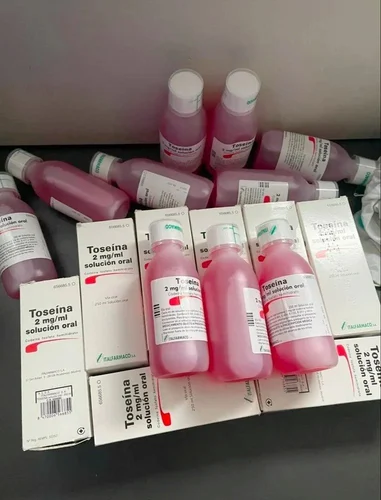
Toseina: Understanding Codeine-Based Cough Syrup and Safe Use
Aug
Medical disclaimer: This article is for educational purposes only and does not replace advice from a doctor or pharmacist. Toseina is a prescription medicine in many countries. Do not start, stop, or change it without guidance from a qualified healthcare professional.
What Is Toseina?
Toseina is a brand of cough syrup that contains codeine or a related opioid antitussive such as dihydrocodeine, depending on the country and specific product. It is used to reduce troublesome, dry cough when other measures have not helped.
Codeine is an opioid medicine. In the body, some codeine is converted into morphine, which acts on the brain’s cough center to reduce the urge to cough. Because it is an opioid, codeine can also cause drowsiness, constipation, and, in some situations, dangerous breathing problems.
Different Toseina formulations exist. Some contain only an opioid antitussive. Others may include additional ingredients such as antihistamines, decongestants, or expectorants. Always check the active ingredients on the label or patient leaflet.
What Is Toseina Used For?
Toseina may be prescribed or recommended for:
- Severe, dry, irritating cough that interferes with rest or daily activities.
- Short-term relief of cough in certain respiratory conditions.
- Cough that has not responded to non-opioid measures.
It is generally not appropriate for:
- Mild cough that does not affect sleep or function.
- Productive cough with a lot of mucus, unless a clinician advises it.
- Long-term use without medical review.
- Cough caused by smoking, asthma, COPD, or other chronic lung disease without specialist assessment.
- Children, especially under 12 years, due to serious breathing risks.
Cough is a symptom, not a diagnosis. Persistent cough should be evaluated to identify the underlying cause, such as infection, asthma, reflux, medication side effects, or other conditions.
How Codeine-Based Cough Syrups Work
Codeine acts on opioid receptors in the brainstem that control the cough reflex. By reducing the sensitivity of the cough center, it decreases the frequency and intensity of coughing.
Because codeine is an opioid, it can also cause:
- Drowsiness and sedation.
- Slowed reaction time.
- Constipation.
- Nausea.
- Dizziness.
- In some people, feelings of euphoria.
Some people metabolize codeine more rapidly than others due to genetic differences in the CYP2D6 enzyme. Ultra-rapid metabolizers can convert codeine to morphine quickly, leading to higher-than-expected opioid levels and increased risk of serious side effects, including breathing problems.
Common Side Effects
Common side effects include:
- Sleepiness or drowsiness.
- Dizziness or lightheadedness.
- Nausea or vomiting.
- Constipation.
- Dry mouth.
- Blurred vision.
- Reduced alertness.
Do not drive, cycle in traffic, operate machinery, or perform hazardous work while taking Toseina until you know how it affects you. Alcohol and other sedating substances can intensify these effects.
Serious Risks and Warnings
Respiratory Depression
The most serious risk of codeine-based cough syrups is respiratory depression, meaning breathing becomes too slow or too shallow. This can be life-threatening, especially in:
- Children, particularly under 12 years.
- Older adults.
- People with asthma, COPD, sleep apnea, or other lung disease.
- People who are ultra-rapid metabolizers of codeine.
- People taking other sedating medicines or alcohol.
Regulatory agencies in many countries warn against using codeine for cough in children and advise caution in adults with respiratory conditions.
Dependence and Misuse
Codeine is an opioid and can cause dependence and misuse. Risk increases with:
- Higher doses.
- Longer duration of use.
- Personal or family history of substance use disorder.
- Concurrent use of other sedatives or alcohol.
Do not use Toseina for longer than directed. Do not share it with anyone. Store it securely and dispose of unused syrup properly.
Dangerous Interactions
Combining Toseina with other central nervous system depressants greatly increases the risk of dangerous sedation and breathing problems. These include:
- Alcohol.
- Opioid pain medicines.
- Benzodiazepines (such as alprazolam, diazepam, lorazepam).
- Sleeping pills and sedatives.
- Some antihistamines.
- Muscle relaxants.
- Certain antidepressants and antipsychotics.
Tell your prescriber and pharmacist about every medicine, supplement, and substance you use.
Who Should Not Take Toseina?
Toseina may not be appropriate for people with:
- Significant breathing problems or severe asthma in unmonitored settings.
- Known allergy to codeine or related opioids.
- Acute asthma attack or severe COPD exacerbation.
- Certain acute medical situations where opioids are unsafe.
Extra caution is needed for:
- Older adults.
- People with lung disease, sleep apnea, or obesity.
- People with kidney or liver impairment.
- People taking other sedating medicines.
- People with a history of substance use disorder.
- People who are pregnant or breastfeeding.
Pregnancy and Breastfeeding
If you are pregnant, planning pregnancy, or breastfeeding, speak with a healthcare professional before taking Toseina. Codeine can pass into breast milk and may cause serious harm to a nursing infant, including excessive sleepiness, breathing problems, or death.
Do not start or stop Toseina during pregnancy without medical advice.
Safe Use Guidelines
If prescribed or advised to use Toseina:
- Take it exactly as directed on the label or by your clinician.
- Use the measuring device provided. Do not use kitchen spoons.
- Do not take more often or at higher doses than prescribed.
- Do not combine with alcohol, benzodiazepines, sleeping pills, or other sedatives unless specifically directed by a clinician.
- Do not drive or operate machinery until you know how it affects you.
- Store it in a locked place, away from children and others.
- Keep track of the amount remaining.
- Dispose of unused syrup through take-back programs or as instructed by a pharmacist.
- Keep follow-up appointments if treatment continues.
- Report side effects, mood changes, or concerns promptly.
Overdose Recognition and Response
Signs of opioid overdose include:
- Very slow, shallow, or stopped breathing.
- Extreme sleepiness or inability to wake up.
- Blue or gray lips or fingernails.
- Cold, clammy skin.
- Limp body.
- Gurgling or snoring sounds.
- Unresponsiveness.
- Pinpoint pupils.
If overdose is suspected:
- Call emergency services immediately.
- Administer naloxone if available and opioid exposure is possible.
- Provide rescue breathing if trained and breathing is inadequate.
- Stay with the person until help arrives.
- Be prepared to give additional naloxone doses if needed.
Naloxone can reverse opioid effects temporarily, but codeine may last longer than naloxone. Emergency evaluation is essential.
Special Considerations for Children
Codeine-containing cough syrups are not recommended for children under 12 years due to the risk of serious or fatal respiratory depression. Some authorities advise against use under 18 years for cough and cold.
Children with obstructive sleep apnea, lung disease, or certain genetic traits are at especially high risk. Never give a child codeine cough syrup unless a specialist has explicitly prescribed it and provided dosing instructions.
Questions to Ask Your Doctor or Pharmacist
Before using Toseina, ask:
- What is causing my cough?
- Is an opioid cough syrup appropriate for my situation?
- How long should I use it?
- What side effects require urgent help?
- Can I take it with my other medicines?
- Should I avoid alcohol or driving?
- What should I do if my cough persists or worsens?
- How should I store and dispose of it?
- Are there safer alternatives for my cough?
- What warning signs should my family know?
Final Takeaway
Toseina is a codeine-based cough syrup used for severe, troublesome cough when other measures have not helped. It can reduce coughing but carries serious risks including respiratory depression, dependence, and dangerous interactions with alcohol and other sedatives.
Use Toseina only under medical guidiance, for the shortest time necessary, and exactly as directed. Never give it to young children, never combine it with alcohol or other sedatives, store it securely, and seek urgent help for breathing difficulty, extreme sedation, or suspected overdose.
Medical disclaimer: This article is educational and does not provide diagnosis or individualized treatment advice. Consult a qualified healthcare professional before using, stopping, or changing Toseina or any codeine-containing medicine.